
Hi, I'm {not} Travis Morton.
I can't tell you who I am. But I can tell you why your property damage claim isn't adding up — whether you're the one holding the invoice or the one writing it.
Free initial review. No commitment. 24–48 hour response.
The Problem: Good People Getting Screwed
I've seen this industry from both sides. And here's what I know: good people are getting crushed by people who either don't know better or don't care.
Property owners get bullied by bad contractors who weaponize confusion.
"You owe me whatever insurance won't pay. I work for YOU, not them. This is what it costs."
Sound familiar? That's a bad contractor padding an invoice and betting you don't know enough to push back. They're classifying your loss wrong. They're over-drying your home to run up equipment charges. They're billing for work that doesn't match the standards — and when insurance cuts the estimate, they come to you with their hand out.
Good contractors lose money because nobody taught them the rules of the game.
They're scoping jobs the way they learned a decade ago — before the standards changed everything. They're trusting estimating platforms that are fundamentally deficient. They're documenting work in ways that create disputes instead of preventing them. And when the claim goes sideways, they don't understand why.
Bad training. Bad software. Bad-faith negotiators who exploit that ignorance. The good contractors — the ones doing honest work — are the ones who get trampled.
The standards exist. The science exists. The math exists. But nobody's teaching it to the people who need it most — and the people who DO know are using that knowledge as a weapon.
I'm here to change that.
Who I Am (Without Revealing Who I Am)
I spent more than a decade as a restoration contractor. The 2 AM water calls. Fighting for every dollar on every invoice. I lived it. Then I crossed over to the consulting side — and suddenly I could see the full picture.
What I saw broke my heart. Good contractors getting trampled — not because they're bad at their jobs, but because nobody ever taught them the "why." And homeowners getting bullied by bad contractors who know just enough to be dangerous.
I'm mad as hell. And I'm not going to sit here quietly anymore.
My corporate masters wouldn't love me doing this. So I can't tell you my real name. But I can tell you what I know. And I can arm you with the information you need to protect yourself.
I'm telling you things insiders can't normally say.
What You'll Get Here
For Property Owners
How to read an estimate, red flags to watch for, questions to ask your contractor, and what you actually owe when insurance "shorts" a bill. Protect yourself from the bad guys.
For Contractors
Standards updates, equipment sizing, documentation best practices, and the technical knowledge that'll make you better at your job — and keep you from losing money on claims.
Real-World Mistakes
The errors that show up every single week — classification mistakes, equipment sizing failures, documentation gaps — and how to avoid them (or spot them if you're the property owner).
No BS, Just Facts
It's math, science, and standards — not wishes, hopes, or agendas. The receipts are on the table. You decide what to do with them.
Who Are You?
Choose your path — the content and resources are tailored to your needs.
I'm a Property Owner
I have a contractor invoice that doesn't look right, or I want to understand what I'm looking at before I pay.
I'm a Contractor
I want to improve my documentation, learn the standards, and stop losing money on claims disputes.
Not sure? Keep scrolling — or check out the full blog to see all content.
Recent Insights
Explore content for homeowners and contractors — or dive into your specific portal above.
Related Test Post 2
Test excerpt 2
Related Test Post 1
Test excerpt 1
Slug Test Post
Test excerpt
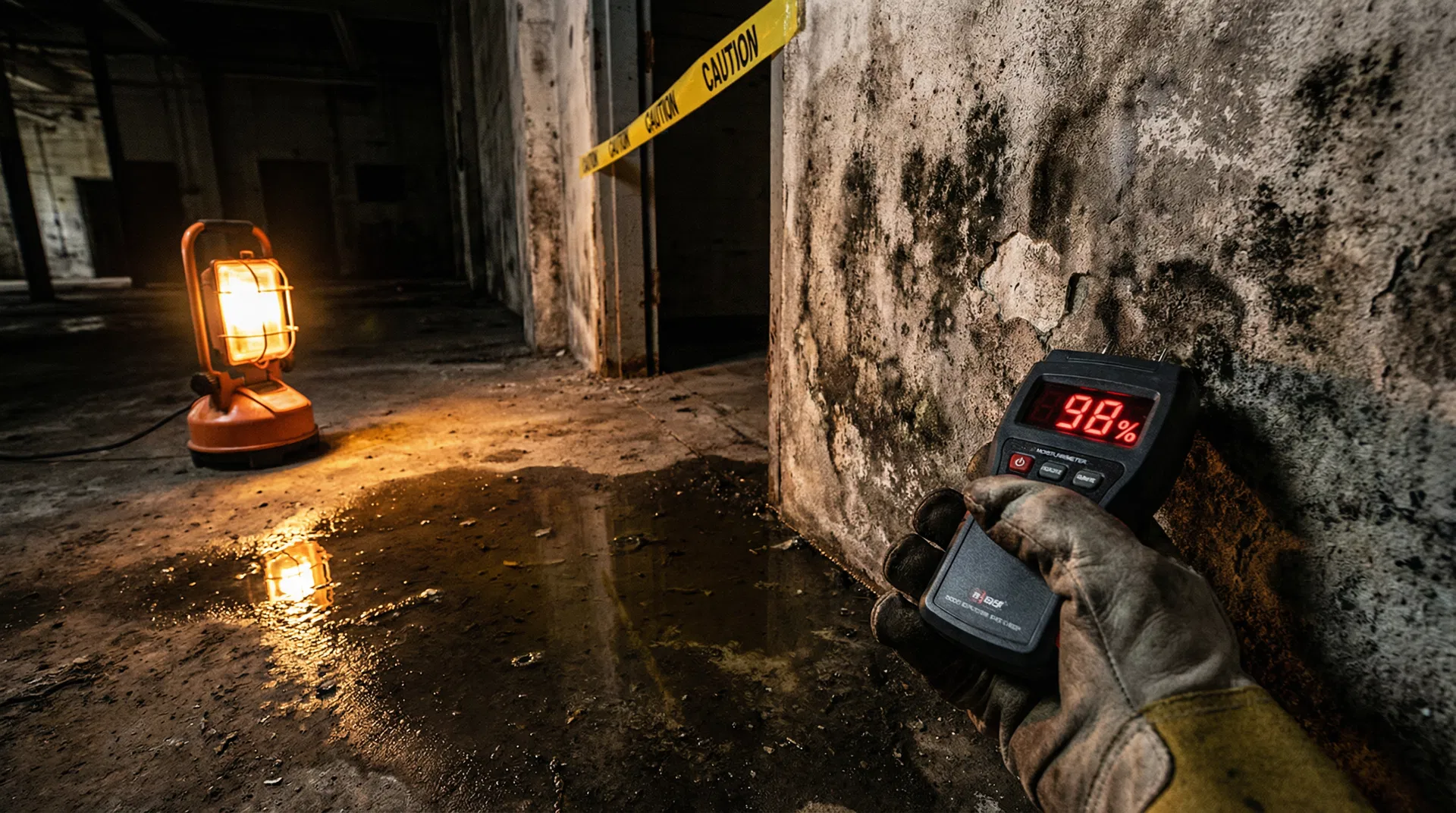
Category 2 vs. Category 3: The Classification Error That Changes Everything
Category classification is not a judgment call. It's a determination based on the source, the path, and the time elapsed. Get it wrong — in either direction — and you've created a problem. Over-classify and the carrier disputes the scope. Under-classify and you've left the homeowner in a contaminated structure. Here's how to get it right.
Get the 10 Mistakes I See Every Week
A free guide covering the most common errors I see on water damage invoices and estimates — and exactly what to do about them.
No spam. No selling your email. Just the truth about what's broken and how to fix it.